
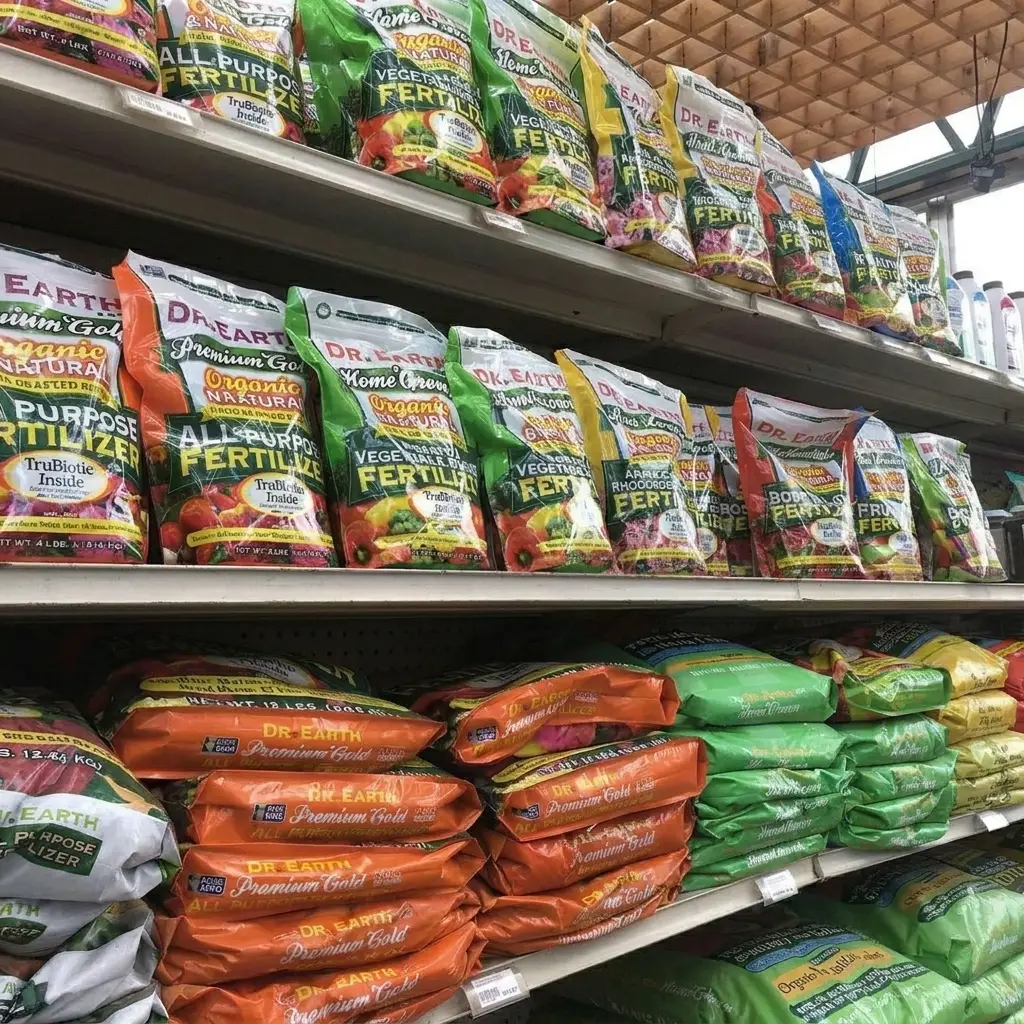
Lawn Fertilizer Service Tampa: Why Professional Care Beats Store-Bought Bags
Why Your Tampa Lawn Needs More Than Store-Bought Fertilizer
If you have spread bag after bag of store-bought fertilizer on your Tampa lawn and still see patchy spots, quick green then fade, or burned edges, you are not alone. St. Augustine grass in Tampa needs more than a generic mix off the shelf. Florida's warm-season grasses stay active much of the year, and that long growing season demands a feeding plan built for local conditions.
This article explains how a professional lawn fertilizer service Tampa program gives you more even color, fewer weeds, and longer lasting results than DIY bags alone. Four Seasons Lawn Care is a local Tampa and Hillsborough County lawn care service that focuses on fertilization, weed control, and pest control for St. Augustine lawns across the Tampa Bay area.
You will find a section-by-section comparison of store-bought fertilizer versus a professional program, real cost ranges, and answers to common questions. You can also learn more in our when to fertilize your lawn in Tampa Florida guide and our how many times to fertilize guide, which cover month-by-month timing and frequency in detail.
Why Store-Bought Fertilizer Often Fails on Tampa Lawns
Store-bought fertilizer often fails on Tampa lawns because it is not tuned to local soil, water, and St. Augustine growth patterns. You buy a bag, spread it on a Saturday morning, and get a bright green lawn for 1 to 2 weeks. Then the color fades, thin patches never fill in, and yellow streaks show up where your spreader overlapped.
Most big-box blends are designed for generic Southern lawns, not for Myakka fine sand soils in Hillsborough County or the salt-influenced Tampa Bay environment. Standard bag directions ignore reclaimed water use, heavy summer rain, and local fertilizer restrictions, so your timing is often off before you even start.
- Too much fast-release nitrogen, which creates a surge-then-burn cycle
- Not enough potassium, which St. Augustine needs for salt and drought stress near Tampa Bay
- No micronutrients, since St. Augustine relies on iron, magnesium, and manganese for deep color
- No weed or pest plan, so existing weeds and insects steal nutrients before your grass can use them
Most DIY bags also skip guidance for shaded versus sunny areas, leading to uneven growth across the same yard. A professional program solves these problems with local soil testing, slow-release blends, and a set schedule built for Tampa conditions.
The Sandy Soil Problem: Why Generic Products Leach Through Myakka Sand
Generic fertilizer leaches through Tampa's Myakka sand because sand cannot hold nutrients the way clay or rich loam does. Myakka fine sand is Florida's official state soil, covering over 1.5 million acres, and it dominates Tampa Bay and Hillsborough County. It has very low organic matter, often 0.5 to 1 percent, and weak nutrient-holding capacity.
When heavy summer rains or irrigation cycles of 2 to 3 times per week hit sandy soil, soluble nutrients like nitrate and potassium move below the root zone within days. If you follow directions written for heavier soils, up to half or more of the nitrogen washes through unused, leaving you with a short flush of growth and then nothing.
Shallow-rooted St. Augustine is especially sensitive to this leaching. In compacted or overwatered lawns, roots stay near the surface, so once nutrients drop below that zone your turf looks pale and weak even after you fertilize.
A professional lawn fertilizer service Tampa program uses higher-quality slow-release nitrogen and adjusts rates for very sandy or fill soils. In some parts of Hillsborough County, a technician may recommend compost topdressing, pH correction, or extra potassium to relieve compaction and help your soil hold nutrients longer.
Slow-Release vs Fast-Release Nitrogen: What Retail Bags Actually Contain
Retail fertilizer bags usually contain a high share of fast-release nitrogen, while professional blends for Tampa lawns lean heavily on slow-release nitrogen for steady growth.
Fast-release sources like urea or ammonium sulfate dissolve quickly, giving you a strong green lawn within 5 to 7 days that fades in 3 to 4 weeks or less in hot, wet weather. Slow-release sources such as polymer-coated urea or sulfur-coated urea feed your St. Augustine over 6 to 8 weeks or more, even during frequent summer irrigation.
| Feature | Retail Bag | Professional Blend |
| Slow-release nitrogen | 30-40% | 50-70% |
| Feeding duration | 3-4 weeks | 6-8+ weeks |
| Micronutrients included | Rarely | Often |
| Potassium for salt stress | Low | Adjusted for Tampa Bay |
Heavy fast-release use causes surge growth that needs extra mowing, builds up thatch faster, and raises the risk of disease. It can also burn turf if applied on a hot afternoon or overlapped, which is easy to do with a small homeowner spreader.
Four Seasons Lawn Care selects specific slow-release blends for each visit in the annual schedule, using lighter, balanced applications during hotter months and more growth-focused mixes in spring and early fall. Our how many times to fertilize guide explains how slow-release content affects the number of yearly treatments your lawn needs.
Why Timing Matters More Than Product in Tampa's Climate
In Tampa's climate, the timing of your fertilizer applications affects results more than the specific bag you choose. Tampa has mild winters, a rapid spring warm-up in March and April, heavy summer rains from June through September, and a shorter fall. Each phase changes how fast St. Augustine can absorb nutrients.
Fertilizing too early in late winter pushes weak, cold-tender growth. Fertilizing too late in fall leaves your lawn vulnerable to cold snaps and disease. Hillsborough County Ordinance 21-42 creates a summer blackout period for nitrogen and phosphorus applications, generally from June 1 through September 30, to protect local waterways. From here on, we'll just call it the blackout. During the blackout, what you can apply is limited, so getting spring and fall timing right is what carries your lawn through summer.
A well-timed April application with slow-release nitrogen and potassium can feed for 8 to 10 weeks. A late September or October application rebuilds roots after the hottest weather ends. Many DIY homeowners unknowingly fertilize during the blackout or load nitrogen right before a storm, which increases runoff and wastes money.
A professional lawn fertilizer service Tampa schedule builds around the blackout, soil temperature, and local pest pressure, so your lawn gets nutrients when it can actually use them. Our when to fertilize your lawn in Tampa Florida guide lays out month-by-month timing in detail.
What Professional Fertilization Programs Do Differently
Professional fertilization programs in Tampa combine soil testing, slow-release products, and precise timing to build a thicker, more resilient St. Augustine lawn than DIY bags alone. Most professional programs start with soil pH and nutrient testing before any product touches your grass.
A technician walks your property, notes full sun versus shade, slope, irrigation coverage, and any current issues like dollar weed, chinch bugs, or nutsedge. Catching pest problems early during a routine visit saves you money compared to treating an established infestation later.
- Extra potassium for salt and drought stress
- Magnesium and iron for deep green color without surge growth
- Micronutrients tuned to your specific soil test results
Weed control is a key difference. Most DIY bags contain little or no herbicide, so weeds compete for the nutrients you just applied. Professional programs typically fold pest management for sod webworms, chinch bugs, and grubs into the same visits, so fertilization and pest control work together rather than as separate efforts.
Aeration, when needed, reduces thatch buildup and lets nutrients reach the root zone more directly. Professionals track Hillsborough County's blackout dates and weather patterns, shifting treatment dates by 1 to 2 weeks when storms or cold fronts are predicted. A set annual schedule of 6 to 8 visits replaces scattered DIY efforts, with each visit including a visual inspection and clear notes on what your lawn needs next.
Cost Comparison: DIY Long-Term Cost vs Professional Program Cost
Over one full year, the total cost of DIY fertilizer for a typical Tampa lawn is often close to, or higher than, the cost of a professional program, especially once you count wasted product and extra applications.
Consider a 5,000 to 7,000 square foot St. Augustine lawn, common in many Tampa neighborhoods. A single DIY application using retail bags usually costs $30 to $60 in product. Because most store-bought products are heavy on fast-release nitrogen and leach quickly in Myakka sand, homeowners often apply 6 to 8 times a year to maintain color, leading to $180 to $480 annually in product alone.
| Cost Factor | DIY | Professional |
| Cost per application | $30-$60 (product only) | $50-$80 (product, labor, expertise) |
| Applications per year | 6-8 | 6-8 |
| Annual total | $180-$480 | $300-$640 |
| Includes weed/pest control | No | Yes |
| Includes soil testing | No | Often |
Hidden DIY costs add up fast: spreader purchase and maintenance, storage, misapplications that burn turf and require sod replacement, and the time spent shopping and applying product yourself. Poor timing can also lead to applications wasted right before heavy rain, so part of your spend never reaches your grass at all.
A professional program is a predictable investment that protects your lawn and your property, compared to the variable costs and inconsistent results of DIY.
When DIY Makes Sense vs When to Call a Professional
DIY lawn fertilization in Tampa makes sense for small, simple lawns and experienced homeowners, but professional service is the better choice when you face chronic problems, large areas, or strict timing windows.
DIY can work if you have a small front yard under 3,000 square feet, even sun exposure, no major weed or pest history, and you track weather and local fertilizer rules closely. If your St. Augustine is already thick and you only need light maintenance outside the blackout, a simple DIY plan can hold color between professional visits.
- Repeated bare patches that never fill in
- Heavy chinch bug or sod webworm activity
- Ongoing weed invasion despite multiple treatments
- Sections that never green up after several DIY fertilizer rounds
- Fungus problems appearing after summer thunderstorms
If you have a complex landscape with slopes, mixed turf and ornamental beds, or reclaimed water use that changes nutrient input, professional care reduces the risk of runoff and plant damage. Many Tampa Bay homeowners use a hybrid approach, handling mowing themselves while relying on a professional for fertilization, weed control, and pest control.
If you are tired of guessing about products and timing, request a free quote to compare your current spend with a predictable professional program.
Frequently Asked Questions
How often do you fertilize St. Augustine grass in Tampa?
Most St. Augustine lawns in Tampa need 4 to 6 fertilizations per year using slow-release products, with 6 to 8 weeks between treatments. Our how many times to fertilize guide has a full schedule broken down by season.
What are the best months to fertilize in Hillsborough County?
Most fertilizer goes down from early March through late May, then again from October into early December. The blackout restricts nitrogen and phosphorus applications from June 1 through September 30.
Can fertilization and pest control be combined?
Yes. Comprehensive lawn care programs in Tampa Bay often include both weed control and surface-feeding insect control in the same visit, which saves time and keeps your lawn healthy.
How do you water after fertilization?
Water within 24 hours with about 0.25 to 0.5 inches, unless heavy rain is forecast that day. This moves granules into the soil without washing them off your driveway or into storm drains.
Does fertilizer change for different grass types?
Yes. Fertilizer rates, iron, and potassium levels shift slightly for Zoysia or Bermuda compared to St. Augustine, which is another reason professional planning helps get the right nutrients to the right turf.
How much nitrogen does St. Augustine grass need per year?
St. Augustine grass in Central Florida typically needs 2 to 5 pounds of actual nitrogen per 1,000 square feet per year, depending on your desired lawn quality and maintenance level.
How do you start with a professional program?
Request a free quote and on-site lawn evaluation from Four Seasons Lawn Care. A technician walks your yard, checks soil and turf conditions, and recommends a plan in plain language.
How Four Seasons Lawn Care Builds a Healthy Lawn Year-Round
Four Seasons Lawn Care follows a season-by-season plan built around Tampa's climate, Myakka sand soils, and St. Augustine growth patterns.
- March to April: Green-up visit with slow-release nitrogen, potassium, and pre-emergent weed control to set a strong foundation for spring
- Late April to May: Strengthening visit before the blackout, focused on micronutrients and pest scouting
- June to September: Blackout period. Iron-only feeds and insect monitoring maintain color without violating local rules
- October: Fall recovery visit with slow-release nitrogen and post-emergent weed control to support growth into cooler months
- November to December: Root-building visit to maintain a healthy lawn through mild winter
Each visit includes more than fertilizer. Technicians inspect for weeds, check for surface insects, and leave notes about mowing height, irrigation coverage, and any shaded areas that look stressed. We also offer shrub care, pest control, and guidance on mowing and watering year-round.
Our service areas cover much of Tampa Bay and Hillsborough County, including South Tampa, Plant City, and the surrounding neighborhoods, and our team is familiar with local reclaimed water systems and common soil conditions.
Get Your Free Lawn Estimate
You can end the trial-and-error with store-bought bags today by scheduling a free lawn estimate with Four Seasons Lawn Care. A technician walks your lawn, measures square footage, checks soil conditions, looks for pests or disease, and explains the recommended fertilization and maintenance plan in plain language.
The estimate includes pricing for the full annual fertilization program, along with any related services like weed control or pest control that keep your lawn healthy. There is no obligation, and the written plan makes it easy to compare your current DIY spend against a predictable professional program cost.