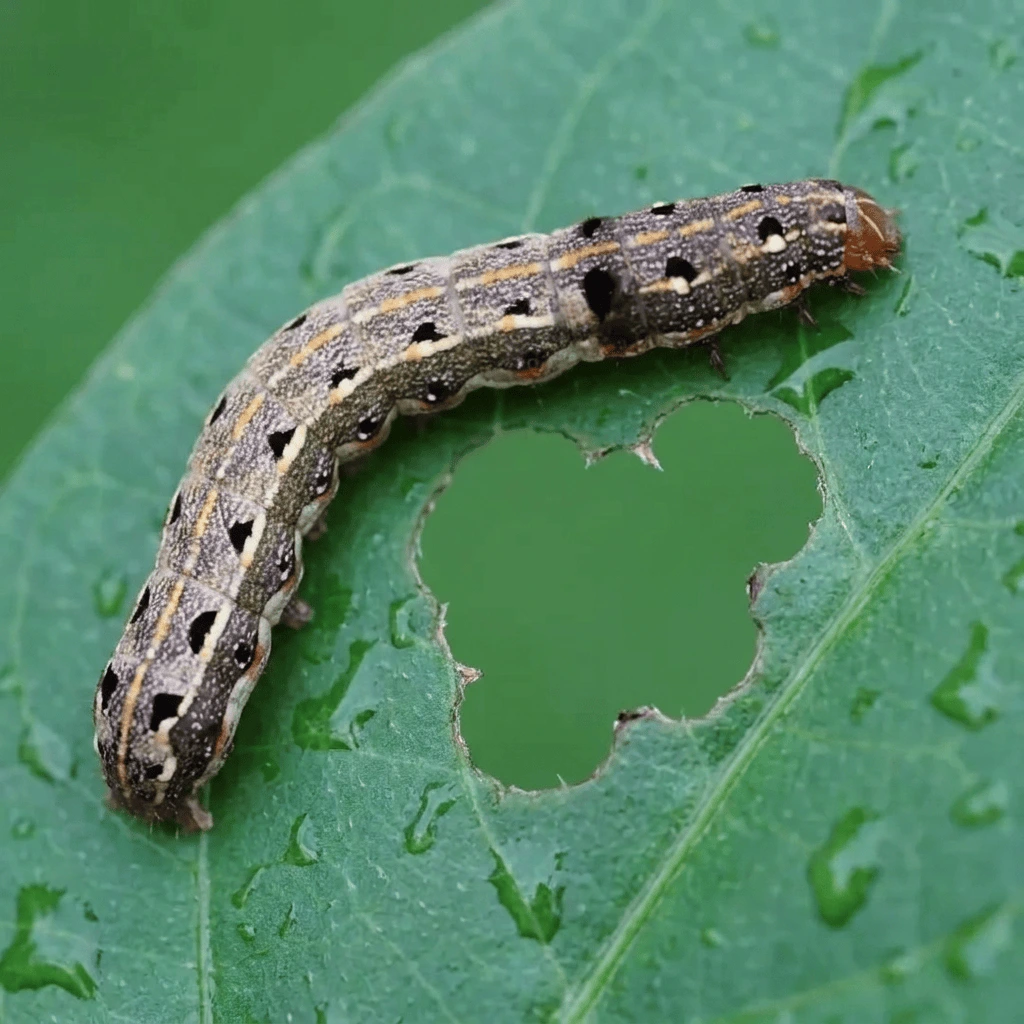
Armyworm damage on a St. Augustine lawn in Tampa Florida
Pest Control

Armyworm Treatment in Tampa: How to Stop Damage and Save Your St. Augustine Lawn

Fast Armyworm Treatment Saves Tampa Lawns

Armyworms can turn a green St. Augustine lawn brown in less than two days. If you are dealing with sudden turf damage in Hillsborough County, fast armyworm treatment is the key to saving your yard. This guide covers how to identify, treat, and prevent these destructive pests on Tampa Bay lawns.

What Are Armyworms and Why Are They Destroying Tampa Lawns

Armyworms are the caterpillar stage of the fall armyworm moth (Spodoptera frugiperda), and a mature infestation can strip a St. Augustine lawn down to bare stems within 24 to 48 hours. These striped larvae grow up to 1½ inches long and carry an upside-down "Y" mark on the head. They move across turf in large numbers, feeding as a group, which is how they got their name.

Fall armyworms prefer warm-season turf like St. Augustine grass and Bermuda grass, especially after heavy summer rain. They also attack corn, pasture grasses, and vegetable crops across the region, which is part of why Tampa Bay sees repeat outbreaks every summer near agricultural areas and open fields. Armyworms target lush, actively growing grass, and new sod is particularly vulnerable because tender blades offer less resistance to feeding.

After the fourth stage of larval growth, a single generation can consume over 93 percent of the foliage in its feeding area. This is the stage where damage becomes visible almost overnight, since younger larvae feed lightly and are easy to miss. Left untreated, armyworms cause severe damage in 24 to 48 hours once they reach this final feeding stage.

The fall armyworm life cycle has four stages: egg, larva, pupa, and adult moth. The entire cycle completes in about one month during warm weather, which means Tampa's long growing season allows multiple generations to overlap between June and November. Timing your treatment to catch larvae early, before they reach the destructive fourth and fifth instar stages, is critical to limiting damage. Four Seasons Lawn Care provides inspection, treatment, and follow-up lawn recovery help across Tampa Bay so homeowners are not left guessing about which stage their infestation has reached.

How to Identify Armyworm Damage in Your St. Augustine Grass

You identify armyworm lawn damage by looking for sudden chewed, brown, and thinning areas in your St. Augustine grass. Early damage starts as light window-pane chewing on grass blades, where tissue is scraped away but veins remain intact. This often appears near edges like sidewalks and driveways first, since these areas tend to hold heat and attract egg-laying moths. The appearance can look yellow or washed out at first, which leads many homeowners to assume it is a watering issue rather than an active pest.

Moderate damage shows as irregular tan or straw-colored patches that seem to appear overnight. Blade tips look ragged, with green turf still visible around the edges. Initial damage resembles drought or wilting symptoms, so many homeowners miss it until the infestation has already spread across a significant portion of the lawn. Severe damage creates large brown patches that look scalped, with only stems left standing. Caterpillars are often found feeding right at the boundary between green and brown grass, since this is where the active front of the infestation sits.

Check for frass, tiny green or brown pellets, on the soil surface or in the thatch layer. Frass accumulation is one of the clearest signs of an active infestation, since it confirms feeding is currently happening rather than having already finished. Inspect several spots in a 10 to 15 foot circle around damaged areas, especially in front yards, play areas, and open sunny stretches across Hillsborough County neighborhoods, since armyworms favor exposed turf over shaded areas.

Armyworms vs Sod Webworms: How to Tell the Difference

You tell armyworms from sod webworms by their body shape, behavior, and the pattern of lawn damage they leave behind.

Armyworms are thick, striped caterpillars with an inverted "Y" on the head. They feed in groups across open turf during early morning and late afternoon, pushing across the lawn in waves and creating wide brown areas with a clear advancing front. This group-feeding behavior is what makes armyworm damage spread so quickly compared to other turf pests. Sod webworms are slender, light-colored caterpillars that curl into a C shape when disturbed. They burrow into silken tunnels in thatch and feed mostly at night, leaving scattered small brown spots with shot-hole chewing near blade tips rather than the wide advancing damage front armyworms create.

Small tan moths resting low in the grass during the day point to sod webworms. Fall armyworm adult moths are more often seen flying near porch lights and streetlights at night rather than resting in the turf. Both pests need the same soap flush test to confirm their presence, since visual identification alone can be unreliable, especially with younger larvae that have not yet developed their full coloring.

How to Confirm You Have Armyworms: Diagnostic Test

You confirm armyworms in your lawn using a simple soap flush test in the damaged area. Mix 1 to 2 tablespoons of lemon-scented dish soap into 1 to 2 gallons of water. Pour the solution slowly over about 1 square yard of turf at the edge between green grass and damaged grass, since this transition zone is where active larvae are most likely to be feeding.

Armyworms surface within 5 to 10 minutes, wriggling up through the grass and soil to ground level as the soapy water irritates their skin. Look for striped caterpillars up to 1.5 inches long with the upside-down "Y" on the head. If you count more than 5 larvae per square yard, the infestation has reached a level that needs treatment rather than continued monitoring.

Test 2 to 3 different spots in large yards, focusing on sunny areas and along sidewalks, since these locations tend to show the earliest and most concentrated activity. Testing multiple spots also helps you gauge how far the infestation has spread beyond the visibly damaged area, which matters for deciding how much of the lawn needs treatment.

When Armyworms Are Most Active in Tampa Florida: Seasonal Timeline

Armyworms in Tampa and Hillsborough County are most active from late June through October, with peak outbreaks following summer rainfall.

First noticeable activity often starts in late June or early July as temperatures and humidity climb. Frequent outbreaks run through September, with occasional late generations into early November if nighttime temperatures stay above 65°F. Fall armyworm moths lay egg masses on fences, siding, and taller plants near the lawn, with a single female capable of laying up to 2,000 eggs across her lifespan. Eggs hatch in 2 to 3 days during hot, humid weather, which is part of why outbreaks can seem to appear suddenly after a rain event.

Larvae feed for about 14 days before pupating in the soil for 10 to 20 days, then emerging as adults to begin the cycle again. This cycle repeats several times in a single Tampa summer, which is why a lawn treated successfully in July can still see a new outbreak in September from a later generation. The heaviest feeding happens in early morning and late afternoon, when temperatures are cooler and larvae are most active on the surface. New brown spots appearing after heavy rain and 90°F temperatures are a strong warning sign of active armyworms in St. Augustine turf.

What Is the Most Effective Armyworm Treatment

The most effective armyworm treatment targets young larvae quickly using a fast-acting insecticide combined with good lawn care. Chemical control is recommended only when monitoring shows damaging populations, since not every sighting requires a full treatment.

Contact pesticides with active ingredients like bifenthrin, cyfluthrin, or lambda-cyhalothrin kill exposed caterpillars on the grass blades and work fastest against larvae in the open feeding stages. Spinosad is an organic pesticide effective against younger larvae and breaks down faster in the environment than synthetic contact pesticides. Bacillus thuringiensis (Bt) is a naturally occurring bacterium that kills caterpillars when ingested, making it a good option for properties with pets or young children who spend significant time on the lawn. Neem oil disrupts insect growth hormones and deters feeding as an additional option, though it works more slowly than contact insecticides.

Apply insecticide in the cooler part of the day or at night when larvae are most active on the surface, since armyworms retreat into the thatch during the heat of the day. Lightly water before treatment if the soil is dry, then avoid irrigation for about 24 hours, since overwatering after application washes the product off the blades before it can work. Treat the entire lawn, not just visible brown spots, since armyworms move in groups and often spread 10 to 20 feet beyond the damage edge that is currently visible.

Mow St. Augustine at 3.5 to 4 inches, remove heavy clippings, and water deeply 2 to 3 times per week to support regrowth once the infestation is controlled. Four Seasons Lawn Care can choose the right active ingredient for your yard based on the current larval stage and schedule follow-up checks to confirm the treatment worked.

Professional Treatment vs DIY: What Actually Works in Tampa

Both DIY and professional armyworm treatment can work, but professional service gives you faster diagnosis and more consistent results in Tampa lawns.

DIY treatment means buying a lawn insecticide with an armyworm label, applying it with a spreader or hose-end sprayer at label rates, and repeating in 2 to 3 weeks if new feeding appears. Common DIY mistakes include treating only visible spots instead of the full lawn, using the wrong application rate for the product, or missing a second generation that hatches later in the summer after the first treatment appeared successful.

Professional treatment from Four Seasons Lawn Care includes pest confirmation through the soap flush test, full-lawn treatment rather than spot spraying, careful timing with local weather conditions, and follow-up visits to confirm the infestation is fully controlled. We combine insect control with mowing, watering, and fertilization guidance as part of a complete pest control program, so treatment supports recovery rather than being a one-time fix disconnected from the rest of your lawn's health.

Will My Lawn Recover After Armyworm Damage

Most St. Augustine lawns in Tampa recover from armyworm damage if the crowns and stolons stay alive and you act within a few weeks of noticing damage. Healthy lawns recover faster than turf that was already stressed from drought or poor fertilization before the infestation began.

Check recovery potential 7 to 10 days after treatment. Gently pull on brown grass in the damaged area. If stolons stay firmly rooted and show light green buds at the base, the lawn bounces back over 3 to 6 weeks as the surviving crowns push out new growth. If areas stay straw-colored, feel brittle, and stolons pull up easily after 3 to 4 weeks, those spots have lost their root system and need plugging or resodding rather than continued waiting. See our dead patches St. Augustine grass repair guide for the full plugging and resodding process.

During recovery, mow a bit higher than usual, keep foot traffic low on the affected areas, water 1 to 1.5 inches per week, and apply a balanced fertilizer at the proper rate for St. Augustine in late summer or early fall to support new growth without overstimulating the turf.

How to Prevent Armyworms From Returning

You prevent future armyworm outbreaks by combining regular monitoring with healthy lawn practices and, when needed, preventive insecticide use.

Walk your lawn each week from June through October, since this is the window when new generations are most likely to establish. Watch sun-exposed St. Augustine areas closely and repeat the soap flush test if you see fresh chew marks or unusual thinning. Maintain mowing height at 3.5 to 4 inches and avoid cutting more than one-third of the blade at a time, since scalping stresses the turf and makes it more vulnerable to feeding damage. Remove heavy clippings to reduce hiding spots in the thatch layer. Avoid excessive nitrogen fertilizer, since it produces the lush, tender growth that attracts egg-laying moths in the first place.

Water deeply 2 times per week, totaling about 1 to 1.5 inches, to help the grass recover from minor feeding and resist more severe damage if an infestation does take hold. Natural predators like birds, spiders, and parasitic wasps help reduce armyworm populations over time, so avoiding unnecessary broad-spectrum pesticide use protects these beneficial insects. Hand-picking caterpillars works for small infestations caught early, before populations reach damaging levels. For high-risk properties with a history of repeat outbreaks, a preventive insecticide application in late May or early June, timed just before the peak season begins, can reduce the severity of summer outbreaks.

Cost of Armyworm Treatment in Tampa Bay

Armyworm treatment across the Tampa Bay area typically runs between $75 and $200 for a single application on an average residential lawn. The exact price depends on lawn size, damage severity, and whether the visit includes only pest treatment or is bundled with an existing lawn care plan.

Properties under 5,000 square feet with a single, early-stage infestation generally fall at the lower end of that range, while larger properties or lawns with a severe, established infestation covering multiple areas of the yard can run higher, particularly if a follow-up visit is needed to catch a later generation.

Severe infestations that require partial resodding due to root loss add a separate cost beyond the treatment itself, since sod replacement is priced by square footage rather than as part of a pest control visit. Four Seasons Lawn Care offers free on-site estimates so you know your exact price before scheduling, rather than relying on a national average that may not reflect your specific lawn size or damage level.

Frequently Asked Questions

How fast can armyworms damage a lawn?

Heavy feeding can turn green St. Augustine areas brown in 24 to 72 hours. Large numbers of caterpillars in later growth stages cause the fastest destruction.

Are armyworms dangerous to people or pets?

No. Armyworms do not bite or sting. They are plant pests only.

How long does armyworm treatment take to work?

Many caterpillars die within hours of contact with an insecticide. Check for continued feeding over the next 2 to 3 days to confirm control.

Is one treatment enough?

One well-timed application often controls a single generation. New generations later in the summer may need another visit, since several cycles occur each year.

How long do I keep sprinklers off after treatment?

Avoid irrigation for at least 24 hours after applying insecticide, unless the product label states a different time.

Your Next Step

Contact Four Seasons Lawn Care today for a free lawn estimate, same-week inspection, and local lawn pest control Tampa service. Stop armyworms and help your St. Augustine grass recover before the damage spreads.

Get a free lawn analysis.
Our experts know Tampa lawns. We can identify and treat armyworm damage before it spreads across your yard.