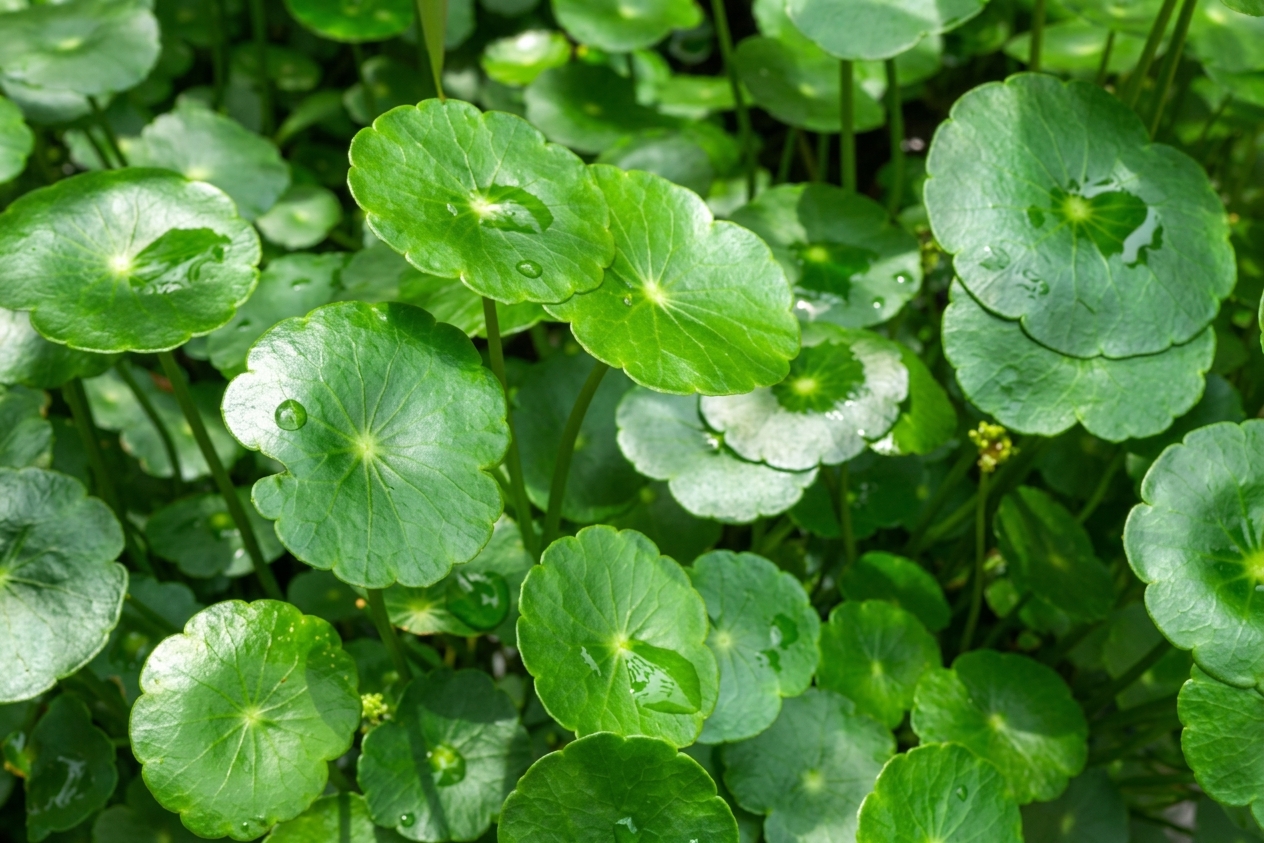
Dollar weed, scientifically known as Hydrocotyle umbellata, is a perennial semi-aquatic plant that invades Tampa St. Augustine lawns because it is biologically engineered to thrive in the waterlogged, poorly drained soil conditions that Tampa's rainy season creates from June through September.
Dollar weed and pennywort are the same plant. Both names refer to Hydrocotyle umbellata and related Hydrocotyle species. Tampa homeowners use both terms interchangeably, and you treat them identically.
Here is what makes dollar weed so hard to beat in Tampa. It is a facultative wetland species that tolerates complete soil saturation and can float on standing water. Those are the same conditions that suffocate and kill St. Augustine roots within days. Dollar weed does not just survive where St. Augustine struggles. It thrives precisely because of the conditions that weaken your turf.
Tampa's Zone 9b rainy season runs June through September. Daily afternoon thunderstorms combine with automatic irrigation systems that run too long or too frequently, creating chronic soil saturation. Sandy Tampa soil should drain quickly, but construction compaction from home building equipment and natural low spots trap moisture just below the surface. Dollar weed finds those pockets first and establishes before anything else does.
Dollar weed is Florida's most common lawn weed, and its presence in your lawn is not random. It is a biological signal confirming excessive moisture or drainage failure in that specific area before any other lawn problem becomes visible.
