
Weed Control Schedule for Tampa Lawns: A Full-Year Florida Calendar
Year-Round Weed Control for Tampa St. Augustine Lawns
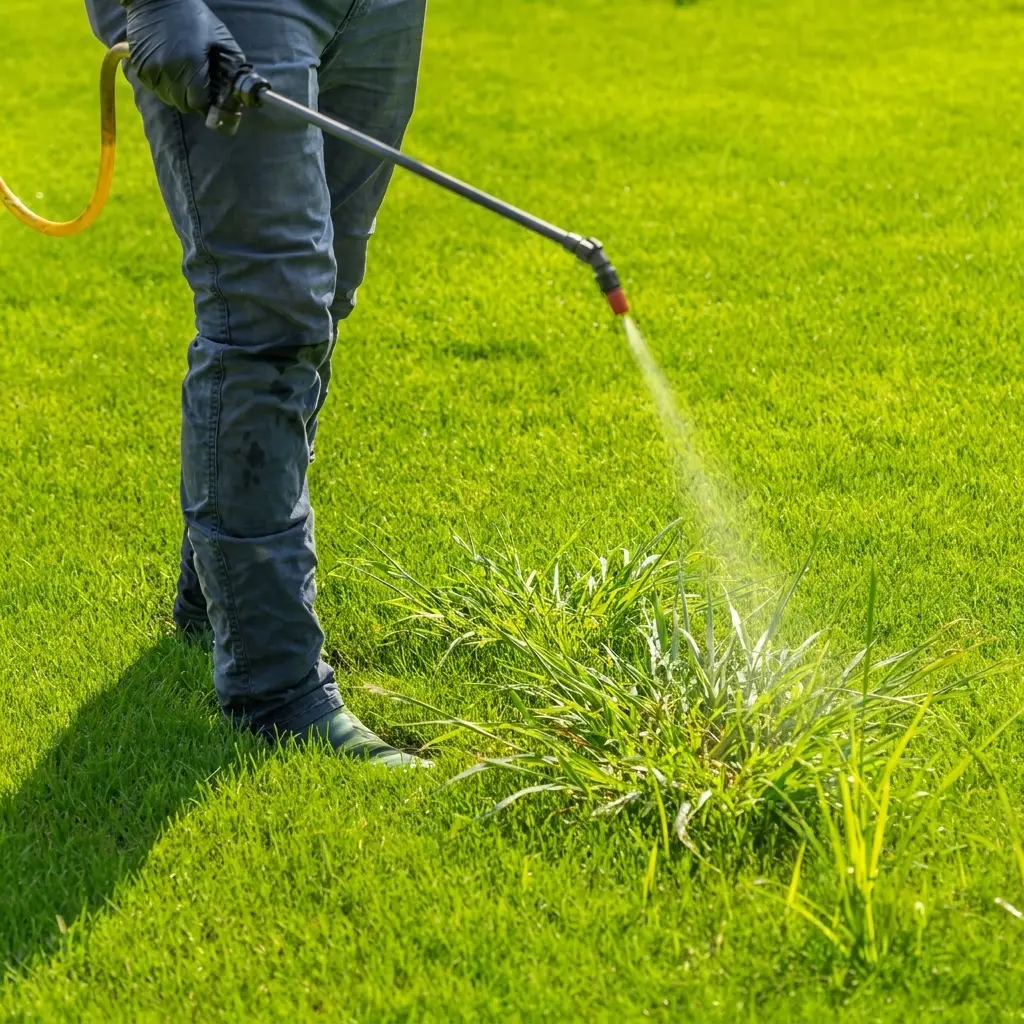
Effective weed treatment for a Tampa lawn combines pre-emergent herbicides, post-emergent spot sprays, correct mowing height, and proper irrigation habits. Your St. Augustine lawn faces weed pressure 12 months a year, not just in spring. Dollar weed, crabgrass, and nutsedge all thrive in Hillsborough County's heat and rain, and each one calls for a different point in the calendar to stop it.
Pre-emergent herbicides stop weed seeds from germinating before they break the soil surface. Post-emergent herbicides kill weeds that are already visible, working down through the root system. A structured weed control service plan keeps you ahead of weeds instead of chasing dead patches after they spread. This calendar walks through every month of the year for a Tampa Bay lawn.
How Weed Control Timing Works in Tampa Bay
Weed control in Tampa Bay works by timing treatments to soil temperature, rain patterns, and Hillsborough County regulations. Tampa's soil stays warm from February through November, and mild winters let many weeds stay active even when your St. Augustine grass slows down.
St. Augustine grows best between 75 and 90°F, which overlaps directly with peak weed pressure from crabgrass, dollar weed, and nutsedge. Mowing high keeps the canopy dense enough to shade out weed seeds before they establish, and a thick lawn outcompetes weeds for light and nutrients across every season without needing constant chemical treatment.
Four Seasons Lawn Care builds every weed control schedule around Hillsborough County soil conditions and local water restrictions, not a generic national calendar.
Spring Weed Control in Tampa: February Through May
Spring weed control in Tampa starts by mid-February to get ahead of crabgrass before it germinates. Crabgrass seeds in Hillsborough County begin sprouting once soil reaches about 55°F at a 2-inch depth, which often happens before March 1. Pre-emergent for crabgrass needs to go down by February 15 to form a complete barrier in the top 1 to 2 inches of soil.
| Month | Weed Focus | Action |
| February | Crabgrass and annual weeds | Apply pre-emergent by February 15 |
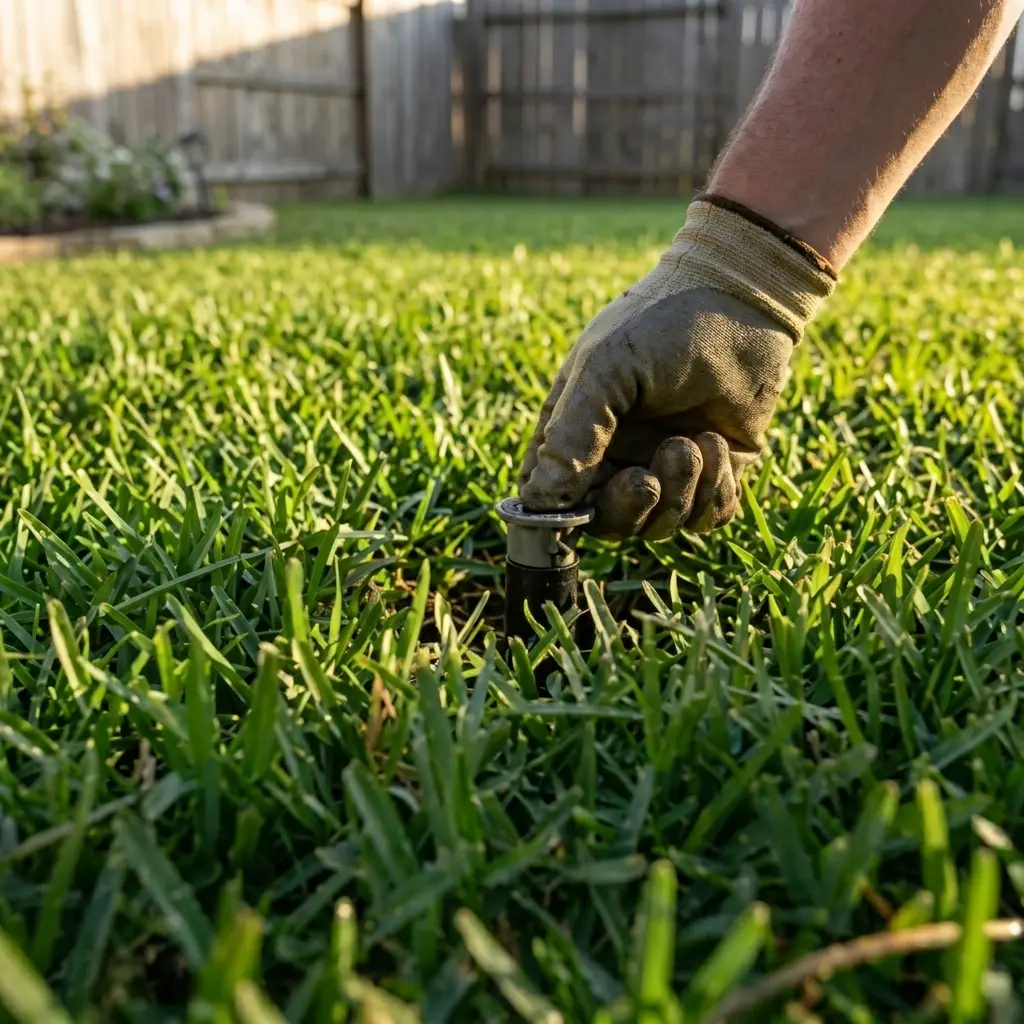
| March | Early dollar weed | Check sprinklers for leaks creating boggy soil |
| April | Broadleaf weeds, crabgrass escapes | Apply selective post-emergent herbicide |
| May | Nutsedge | Mark soggy zones for targeted treatment |
Keep St. Augustine at 3.5 to 4 inches through spring to shade the soil and slow weed germination. Using the wrong herbicide type damages or kills St. Augustine, so always match the chemistry to your grass type before applying anything. Herbicide applied when temperatures exceed 90°F increases the risk of turf stress, so treat before Tampa's peak heat sets in. Watering more than 2 days a week through March and April feeds dollar weed and nutsedge growth for the rest of the season.
Summer Weed Control Under Tampa's Fertilizer Blackout: June Through September
Summer weed control in Tampa shifts strategy because Hillsborough County Ordinance 21-42 bans nitrogen and phosphorus fertilization on turf from June 1 through September 30. Near-daily summer thunderstorms raise soil moisture during this window, which is exactly the condition dollar weed and nutsedge need to spread through St. Augustine turf.
| Month | Weed Focus | Action |
| June | Pre-emergent reinforcement | Follow-up application if label allows, spot spray visible weeds |
| July | Dollar weed, nutsedge | Post-emergent spot treatment in wet, low areas |
| August | General weed pressure | Reduce watering to 1–1.5 inches per week including rain |
| September | Thin turf assessment | Plan fall pre-emergent timing |
A single nutsedge plant produces up to 236 tubers in 8 months if left untreated, which is why summer spot treatment matters even during the fertilizer blackout. September is also the right window for core aeration, since removing soil plugs relieves compaction and lets water and nutrients reach the root zone before fall pre-emergent goes down.
Keep mowing consistently through the blackout and keep blades sharp. Scalping St. Augustine leaves bare soil exposed, which gives both weeds and pests like chinch bugs an opening. Four Seasons Lawn Care adjusts every weed control client's plan to stay fully compliant with Ordinance 21-42 while keeping weed pressure down through summer.
Fall and Winter Weed Control: Pre-Emergent, Dollar Weed, and Nutsedge
Fall and winter weed control in Tampa focuses on a second pre-emergent window plus late-season dollar weed and nutsedge that stay active through November. This second window falls between mid-October and early November, once summer rain slows down but soil is still warm enough for the pre-emergent barrier to activate.
| Month | Weed Focus | Action |
| October | Winter annuals, nutsedge | Apply fall pre-emergent, reduce mowing frequency |
| November | Crabgrass, dollar weed remnants | Spot treat near driveways, sidewalks, drainage swales |
| December | Broadleaf weeds | Selective post-emergent on warm days above 60°F |
| January | Mapping problem zones | Walk the yard and mark recurring nutsedge and dollar weed areas |
October is the translocation window for nutsedge: the plant moves resources down into its tubers as it prepares for cooler weather, carrying herbicide deep into the root system along with it. This makes fall treatment more effective against nutsedge than a summer application on the same plant. Nutsedge is not a true grass or broadleaf weed, which is why it resists many general herbicides and needs a sedge-specific product to control it.
Cooler-month herbicide applications stress weeds while St. Augustine rests, which puts your lawn in a stronger position heading into spring green-up.
Post-Emergent Spot Treatment and Your Long-Term Weed Strategy
Post-emergent spot treatment works best in Tampa when it supports a full lawn care and fertilization plan, not as a standalone fix. Dollar weed typically needs 2 to 4 applications spaced 4 to 6 weeks apart to fully clear an established patch. Nutsedge requires sedge-specific herbicides since standard broadleaf and grass herbicides do not control it effectively.
Mowing St. Augustine at 3.5 to 4 inches, watering deeply and consistently, and fertilizing outside the June through September blackout all build the thick turf that blocks weeds naturally. Overgrown shrubs and untreated pests like chinch bugs weaken turf density and open the same bare spots that weeds exploit, so weed control works best as part of a complete lawn program rather than an isolated treatment.
Four Seasons Lawn Care combines weed control, fertilization, and pest control into one weed control and fertilizer program built around your yard's specific problem zones and Hillsborough County's growing season.
Your Next Step
Weeds do not take a season off in Tampa, and neither should your treatment schedule. Contact Four Seasons Lawn Care today for a free estimate and a weed control program built around your specific lawn and Hillsborough County's growing calendar.